
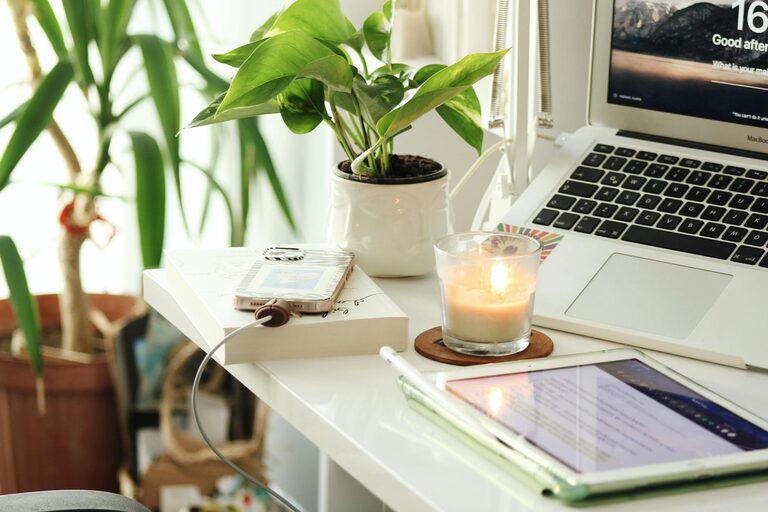
Creating a cozy and productive home office environment is essential for anyone working or studying from home. A well-designed workspace can improve focus, reduce stress, and make it easier to separate work time from personal time. Whether you have a dedicated room or just a corner in your living space, these tips will help you craft an environment that supports both comfort and efficiency.
1. Choose the Right Location
Finding the perfect spot for your home office is the first step. Ideally, select a space with:
– Natural light: Position your desk near a window to take advantage of daylight, which can boost mood and productivity.
– Minimal distractions: Look for a quiet area away from high-traffic zones and noise.
– Adequate space: Ensure you have enough room for your desk, chair, and any equipment or supplies you need.
If a dedicated room isn’t available, consider using room dividers or screens to create a sense of separation within a shared space.
2. Invest in Comfortable and Ergonomic Furniture
Comfort is crucial for staying productive throughout the day. Focus on:
– Ergonomic chair: Choose a chair with good lumbar support and adjustable height to reduce back strain.
– Desk at the right height: Your desk should allow your arms to rest comfortably when typing, avoiding strain on your wrists.
– Footrest: If your feet don’t reach the floor comfortably, a footrest can improve posture and circulation.
Adjust your setup regularly, and consider using a standing desk or a convertible desk if you want to alternate between sitting and standing.
3. Organize Your Workspace Efficiently
Clutter can distract and make it harder to focus. To keep your workspace organized:
– Use storage solutions: Shelves, drawers, and filing cabinets can help keep supplies in order.
– Keep essentials handy: Only keep frequently used items on your desk to maintain a clean surface.
– Cable management: Use clips or sleeves to keep cords tidy and avoid tangling.
Regularly declutter your home office to maintain a pleasant working environment.
4. Personalize Your Space with Cozy Touches
Adding personal and cozy elements makes your office a place you enjoy being in, which can help motivation:
– Soft furnishings: Cushions, rugs, and curtains add warmth and comfort.
– Plants: Indoor plants not only improve air quality but also create a calming atmosphere.
– Artwork and photos: Decorate your walls with inspiring images or family photos to brighten the space.
Avoid over-decorating, which can make the area feel cluttered.
5. Optimize Lighting for Productivity and Comfort
Proper lighting reduces eye strain and sets the mood:
– Layered lighting: Combine natural light, overhead lights, and task lighting for flexibility.
– Adjustable desk lamp: A lamp with adjustable brightness and direction helps focus light where you need it.
– Avoid glare: Position screens to reduce reflections from windows or lights.
Aim for balanced, soft lighting rather than harsh or dim setups.
6. Manage Noise Levels
If noise is an issue, consider:
– Noise-cancelling headphones: Great for blocking out distractions.
– White noise machines or apps: These can mask background sounds.
– Soundproofing: Add rugs, curtains, or acoustic panels to absorb noise.
If your home office is in a busy area, these methods can help maintain concentration.
7. Create Clear Boundaries Between Work and Relaxation
Separating work from home life is easier if your office feels distinct:
– Use a separate room or defined area: Physically dividing your workspace helps mentally separate work hours from downtime.
– Set work hours: Stick to a schedule to avoid overworking.
– Pack up at the end of the day: Closing your laptop and clearing your desk signals time to relax.
Clear boundaries help maintain a healthy work-life balance.
8. Keep Necessary Technology Updated and Accessible
Reliable technology supports a smooth workflow:
– Fast internet connection: Essential for video calls and file uploads.
– Updated devices: Keep computers, printers, and software updated for security and efficiency.
– Ergonomic accessories: Consider an external keyboard, mouse, or monitor stand to enhance comfort.
Regularly review your tech setup to ensure it meets your needs.
Conclusion
Designing a cozy and productive home office is about balancing comfort with functionality. By choosing the right location, investing in ergonomic furniture, organizing efficiently, and adding personal touches, you create a space that supports focused, enjoyable work. Remember to manage lighting and noise, maintain clear work boundaries, and keep your technology optimized. With these tips, your home office can become a favorite spot that helps you do your best work every day.