
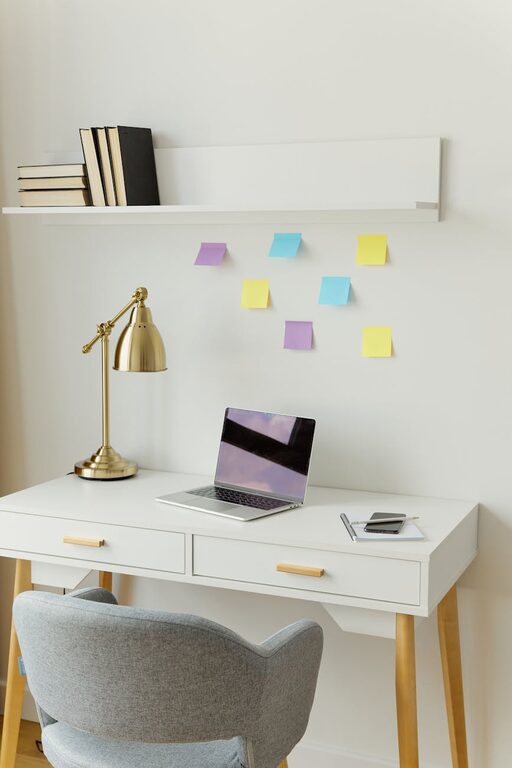
Creating a cozy and functional home workspace is essential for staying productive and maintaining a healthy work-life balance. Whether you work from home full-time, need a dedicated study zone, or just want a comfortable spot to handle personal tasks, designing the right workspace can make all the difference. In this post, we’ll explore practical tips to help you build a space that is inviting, efficient, and tailored to your needs.
Why Your Workspace Matters
Your work environment greatly influences your motivation and focus. A cluttered, uncomfortable space can lead to distraction and fatigue, while a well-organized and cozy area encourages concentration and creativity. By investing in your workspace, you’re setting yourself up for success in both your professional and personal projects.
Choosing the Right Location
Find a Quiet Spot
Start by selecting a location in your home where you can work without frequent interruptions. This might be a spare room, a nook in your living area, or even a corner of your bedroom. The key is minimizing distractions from noise or household traffic.
Maximize Natural Light
Position your workspace near a window if possible. Natural light helps reduce eye strain and boosts mood. If your space lacks windows, invest in quality task lighting to mimic daylight and brighten your work area.
Furniture that Supports Comfort and Productivity
Opt for an Ergonomic Chair
Sitting for long hours requires good support. An ergonomic chair with adjustable features helps maintain proper posture, reducing back and neck pain.
Choose the Right Desk
Your desk should fit your space and your work style. Consider a desk with enough surface area for your computer, tools, and documents without feeling cramped. Standing desks or adjustable desks offer flexibility to change positions throughout the day.
Include Storage Solutions
Functional storage keeps your workspace tidy. Shelves, filing cabinets, or drawer organizers can help you keep paper, supplies, and gadgets in order and within reach.
Personalize Your Space
Add Comfort Elements
Small touches like a soft rug, a cushion, or a cozy throw blanket can make your workspace feel inviting. These elements not only enhance comfort but also reduce stress.
Incorporate Plants
Indoor plants purify the air and add a natural, calming vibe. Choose easy-to-care-for varieties like succulents or spider plants if you’re new to indoor gardening.
Display Inspirational Items
Photos, artwork, or motivational quotes can personalize your workspace and keep you inspired throughout your day.
Organize for Efficiency
Declutter Regularly
Keep your desk clear of unnecessary items to minimize distractions. Set aside time at the end of each day or week to tidy up and organize your workspace.
Use Cable Management
Tangled cables can create visual noise. Use clips, sleeves, or boxes to keep cords organized and out of sight.
Implement a Filing System
Whether digital or paper, having a system to categorize and store documents helps you find what you need quickly and stay on track.
Maintain a Healthy Work Routine
Set Boundaries
Define your work hours and stick to them. Having a clear start and end time helps maintain work-life balance and prevents burnout.
Take Breaks
Stand up, stretch, and move around regularly to reduce strain and refresh your mind.
Keep Hydrated and Nourished
Have water and healthy snacks nearby to stay energized throughout the day.
Additional Tips for Small Spaces
– Use vertical space by installing wall shelves or hooks.
– Consider multi-purpose furniture, like desks with built-in storage.
– Choose light colors to make the area feel larger and more open.
– Use mirrors to create an illusion of space and reflect light.
—
Creating a cozy and functional home workspace doesn’t require a complete renovation. By focusing on comfort, organization, and personalization, you can craft a space that suits your lifestyle and helps you work effectively. Happy workspace designing!