
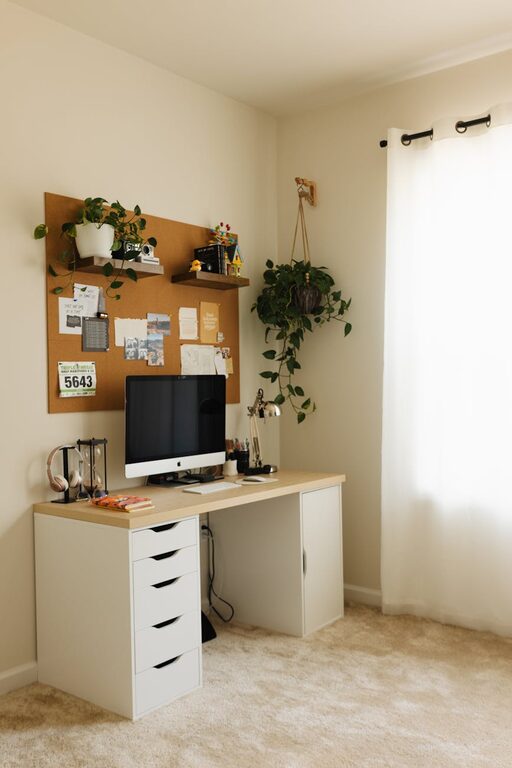
Creating a home workspace that feels both relaxing and productive can make a big difference in how you work. Whether you’re working remotely, studying, or pursuing personal projects, a calming environment helps reduce stress and improve concentration. Here are practical tips to design a home office that supports both relaxation and productivity.
Choose the Right Location
Selecting the right spot for your workspace is the first step. Ideally, find a quiet area with natural light. Natural light improves mood and alertness, while a quiet corner minimizes distractions. Avoid high-traffic areas like the kitchen or living room if possible.
Consider Privacy and Comfort
Having a space separate from common areas gives you some privacy and creates a mental boundary between work and home life. If space is limited, use room dividers, curtains, or even a bookshelf to section off your area.
Invest in Comfortable and Ergonomic Furniture
Sitting for extended periods requires a supportive chair and desk. An ergonomic chair that offers proper back support can prevent discomfort and fatigue. Adjust your desk and chair height so your arms rest comfortably at a 90-degree angle while typing.
Add a Footrest or Cushions
If your feet don’t touch the floor comfortably, a footrest can improve posture. Soft cushions or lumbar supports add additional comfort and help maintain a healthy sitting position.
Declutter to Promote Calmness
A clutter-free workspace reduces stress and helps you focus. Keep only essential items on your desk and establish a daily routine for tidying up. Use organizers, drawers, or shelves to store papers and supplies neatly out of sight.
Use Cable Management Tools
Cables can create visual chaos. Use clips, sleeves, or boxes to organize wires and keep your desk surface clean.
Incorporate Soothing Colors and Decor
Colors influence mood. Soft, neutral tones like light blue, green, or beige create a calming effect. Avoid overly bright or harsh colors that can be distracting or overstimulating.
Personal Touches to Inspire You
Add a few personal decorations such as family photos, artwork, or plants to make the space inviting. Keep decorations minimal to avoid clutter.
Add Natural Elements
Plants not only improve air quality but also add a touch of nature that many find relaxing. Small succulents or a leafy potted plant can brighten your workspace and improve your mood.
Use Natural Materials
Wooden furniture, stone accessories, or linen textiles provide natural textures that enhance the relaxing atmosphere.
Control Lighting
Good lighting is essential for productivity and comfort. Use a combination of natural light during the day and adjustable artificial lighting for evening hours.
Use Adjustable Desk Lamps
A desk lamp with adjustable brightness and position lets you direct light where it’s needed without creating glare on screens.
Minimize Noise Distractions
Noise can interrupt concentration and increase stress. If you live in a noisy environment, consider earplugs or noise-canceling headphones.
Use Sound Machines or Soft Music
Background sounds like white noise, nature sounds, or gentle instrumental music can mask disruptive noises and help you focus.
Organize Your Digital Workspace
A relaxing physical space boils down to a well-organized digital workspace too. Arrange your computer desktop with folders and shortcuts for easy access. Close unnecessary tabs and silence notifications during work periods.
Schedule Regular Breaks
To maintain a relaxed mindset and avoid burnout, take short breaks every hour. Stretch, walk around, or practice deep breathing exercises to refresh your mind.
Maintain a Routine
Creating a clear daily routine helps your brain associate your workspace with focused work time. Start your day at a consistent time, and avoid working late into the evening to maintain work-life balance.
Conclusion
Designing a relaxing home workspace is about balancing comfort with functionality. By carefully selecting your location, investing in ergonomic furniture, minimizing distractions, and adding personal, natural touches, you can create an environment that boosts productivity and promotes well-being. Remember, small changes can lead to big improvements in how you work and feel every day.